

Choose Shopify when your team wants managed hosting and a predictable store administration experience. Consider WooCommerce when your business already relies on WordPress, needs control over hosting, or has a specific requirement that a WordPress extension handles well. For an Indian merchant, the better ecommerce platform is the one that supports your catalogue, payment methods, fulfilment rules and staffing plan at a sustainable cost.


Start with how your store will run
Assign responsibility for the storefront
Shopify manages the underlying hosted platform. Your team still owns theme choices, app configuration, catalogue quality, account permissions and everyday order handling. Ask who reviews the effect of a new app on checkout or privacy before turning it on. A managed platform saves infrastructure work, but a store with many interconnected apps can still take time to troubleshoot.
WooCommerce runs on WordPress. The hosting provider, developer and business owner need to agree who handles infrastructure, updates, backups and recovery. Managed WordPress hosting can cover some tasks. Confirm whether support includes store-specific problems such as a plugin conflict at checkout. If your business publishes a large amount of content in WordPress, using the same editorial workflow may simplify training.
Move a realistic task through both admin panels
Ask the staff member who will run the store to add a product with two sizes, update stock, apply a discount and cancel a test order. Time how long it takes and note where they need help. Someone who regularly modifies the catalogue might value fewer manual steps more than a feature the store uses once a quarter.
Compare the first year of costs
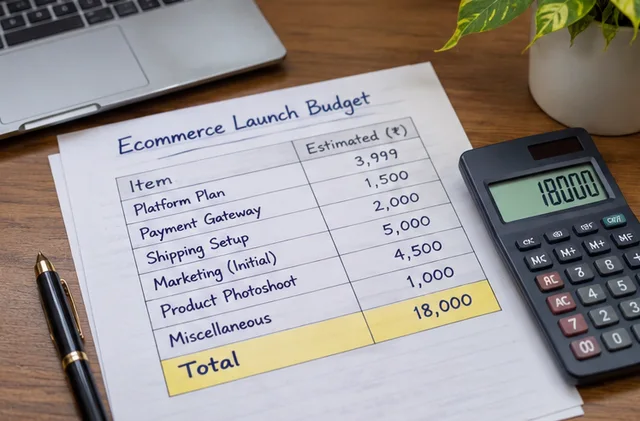
Collect costs for the platform or hosting, theme, development, apps or extensions, support, gateway fees and applicable platform transaction fees. Use current vendor quotes and your estimated order volume. Include the cost of one planned theme refresh or automation change if those are already on the roadmap.
- Price the same list of required features in both options, including local delivery rules and product variants.
- Separate monthly charges from annual renewals and one-time implementation fees.
- Ask whether contracts, plugins and licences can be transferred to the business.
- Estimate staff time spent fixing inventory, tagging orders or exporting reports by hand.
- Document which cost assumptions change if your catalogue or order volume doubles.
A merchant shipping a small catalogue from one warehouse may need less custom work than a business carrying both retail and dealer prices. Compare the cost of making those rules work end to end. The cheapest subscription can turn into the more expensive option when paid apps overlap and staff reconcile exceptions manually.
Check payments, delivery and tax requirements
Review the exact Indian checkout configuration
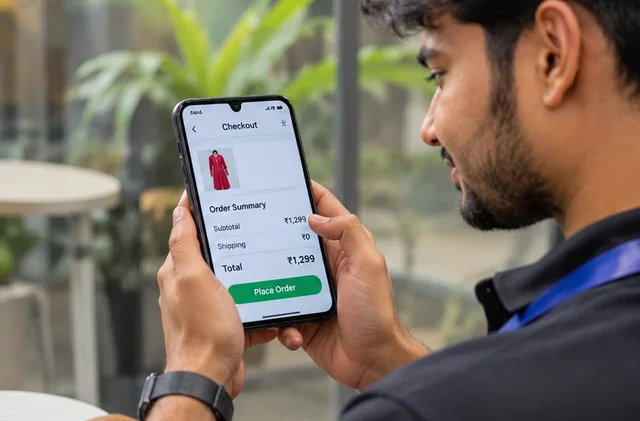
List the payment methods your audience actually needs, including UPI, cards and cash on delivery where appropriate. Verify gateway eligibility for your entity, compatibility with your platform and the flow for refunds. Test whether order records reflect completed and failed payments accurately. Ask your accountant which GST details and invoice formats the business needs. Verify those requirements against the real invoice output on each platform.
Review settlement reporting with finance. An order paid on Tuesday may be settled on a different day, depending on the provider. Your reconciliation report should identify the original order, gateway transaction, refund and fees without relying on screenshots or guesswork.
Test PIN code delivery and stock decisions
Try three addresses, including one beyond your normal delivery area. Check the delivery charge and what happens when an item is unavailable. If your business combines courier delivery and pickup, confirm when stock must be reserved and how staff are notified. For multiple warehouses, decide whether location selection depends on stock, customer address or a manual decision.
Compare ownership and the cost of moving later
Owning your domain, catalogue data, images and customer records matters on either platform. Ask what you can export, in what format, and whether product images, reviews and historical order details are included. A code repository or custom theme may be part of a development agreement. Read the contract and licence terms before assuming every asset transfers.
If you already have a store, export the existing URL list. Check which product and category addresses can survive migration, which need redirects and how customer sign-in will change. Test one migrated record from each important product group. If you use subscriptions or membership features, check the options for moving those arrangements directly with the provider.
Work through a business example
Imagine a Delhi NCR clothing label launching a 120-product store. It needs sizes and colour variants, Indian payment options, pickup at one store and occasional coupon campaigns. It publishes only a few content pages, and its small team wants to avoid technical maintenance work. Shopify is worth prototyping first, provided the merchant verifies the actual gateway arrangements and delivery app costs.
Now imagine a furniture maker with a substantial WordPress catalogue, buying guides and product pages that already attract search traffic. Some items are delivered by courier and others need a quote based on dimensions. WooCommerce may let it keep existing editorial work and design a different ordering path for larger items. The team still needs a clear plan for updates, performance and support.
Make the final decision with a short pilot
- Choose five products that represent your most difficult catalogue cases.
- Run successful and failed orders with the same acceptance criteria on each platform.
- Ask merchandising, finance and customer support to sign off on their own workflows.
- Compare annual costs and the effort required to operate the store.
- Record any limitation you accept for launch and the signal that would justify revisiting it.
Document the results as decisions your team can revisit, including why a feature was deferred, who owns operations and how the site will be maintained. A platform choice becomes easier to defend when you can point to a tested buyer journey and the numbers behind it.
Include busy-period support in the pilot
Run the exercise as if it were the week before a sale. Ask who could diagnose a stock or payment problem if the person who built the store were unavailable. Include access, rollback and support costs in the comparison. This exposes differences in how your own team will operate each option when the catalogue is changing and customers need help quickly.